

Inca Astronomy and Choquequirao, the ancient Incas observed the sky as part of their relationship with nature, agriculture, and the sacred landscape of the Andes. The movements of the Sun, the appearance of stars, and the changing patterns of the Milky Way helped shape their understanding of time and the natural world.
Choquequirao, an impressive archaeological complex located high above the Apurímac River canyon in southern Peru, offers a fascinating setting to explore these ideas. Its elevated position, ceremonial spaces, surrounding mountains, and distinctive terraces invite visitors to consider how the Incas may have connected the landscape with the sky.
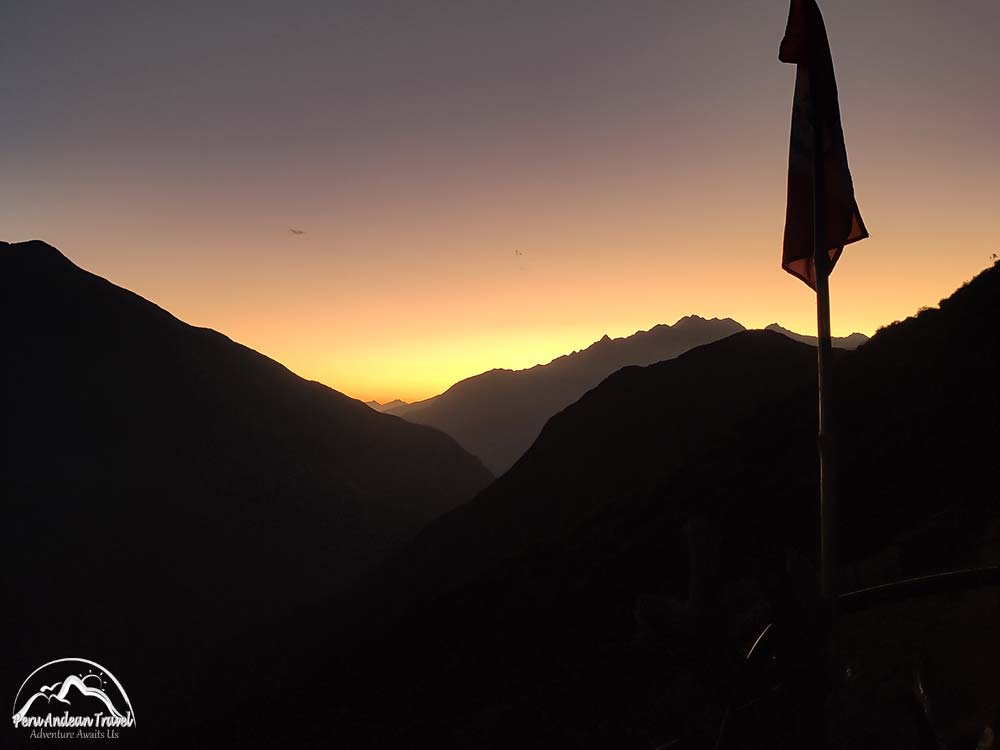
Although many questions about Choquequirao remain unanswered, archaeological research suggests that solar observations and ceremonial activities may have played an important role in the site’s history.
Why Was Astronomy Important to the Inca Civilization?
For the Inca civilization, observing the sky was more than a way to understand the passage of time. Celestial events were closely connected with agricultural activities, religious ceremonies, and the organization of community life.
By watching the Sun’s position throughout the year and observing the stars, Andean societies developed ways to recognize seasonal changes. These observations could help people plan agricultural tasks and understand the cycles of nature.
Mountains, rivers, the sky, and the land were also part of a wider spiritual world. Natural features were not simply elements of the environment; they could hold religious and cultural meaning.
This relationship between astronomy, agriculture, and sacred geography provides an important context for understanding archaeological sites such as Choquequirao.
The Ushnu of Choquequirao and Its View of the Sky
One of the most intriguing features of Choquequirao is its elevated ceremonial platform, commonly known as the Ushnu. Its position on a flattened area of the mountain provides broad views of the surrounding landscape and the distant horizon.
Some researchers have suggested that Choquequirao’s location and architectural features may have supported solar observations and ceremonial activities. A study by Gary R. Ziegler and J. McKim Malville discusses possible alignments with the June and December solstices and considers the site’s potential ceremonial role.
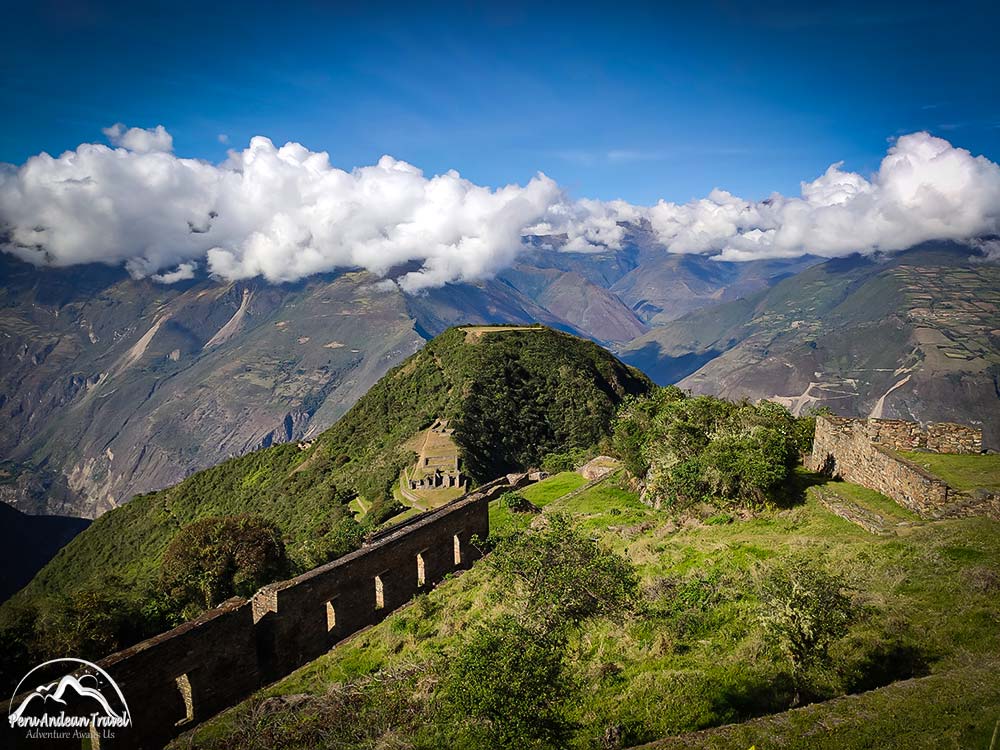
These interpretations offer valuable clues about how the Incas may have understood their surroundings. However, they should be treated as archaeological interpretations rather than proof that every part of Choquequirao functioned as an astronomical instrument.
The Ushnu remains a particularly interesting place to consider the relationship between architecture, the landscape, and the movements of the Sun.
The Sun and the Solstices in the Andean World
The Sun was central to Inca religious and political life. Its annual movements provided visible signs of seasonal change and were associated with important ceremonies.
The solstices mark the points in the year when the Sun reaches its northernmost or southernmost position in the sky as seen from Earth. In the Southern Hemisphere, the June solstice occurs around the beginning of winter, while the December solstice occurs around the beginning of summer.
For agricultural communities in the Andes, seasonal changes were closely related to planting, crop development, and harvesting. Observing the Sun and the horizon offered practical ways to recognize these transitions.
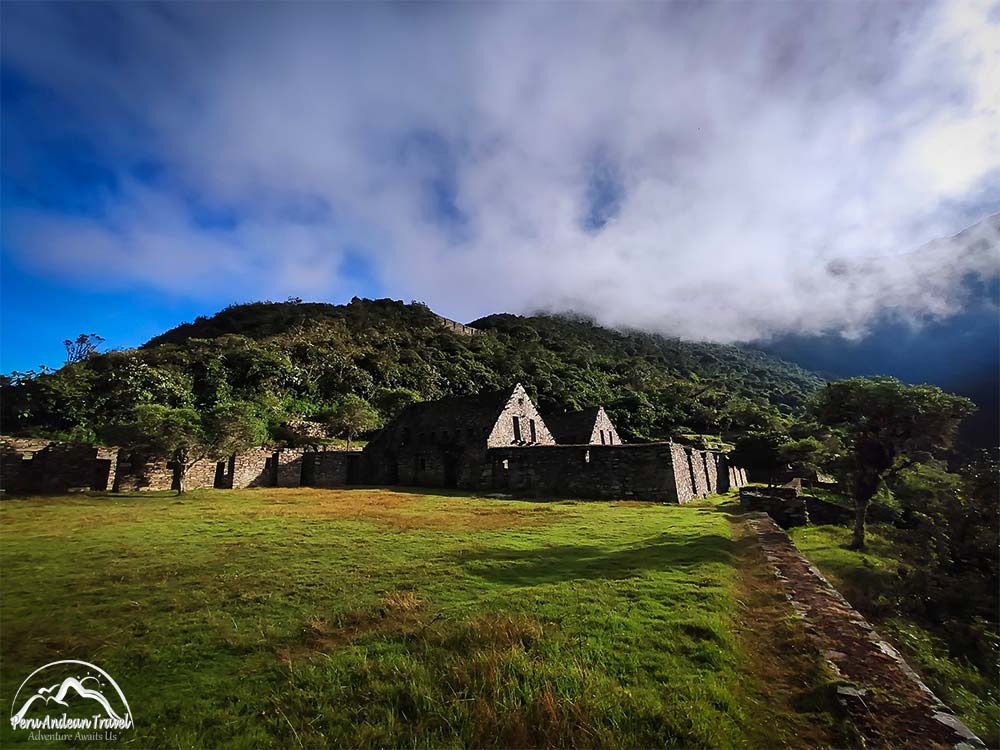
At Choquequirao, the relationship between the site’s architecture and the Sun is an area of archaeological interest. Researchers have proposed that some features may reflect deliberate attention to solar positions. Further investigation is needed to clarify the precise meaning and use of these alignments.
The Milky Way and the Celestial Animals of the Andes
The night sky held its own importance in traditional Andean worldviews. The Milky Way, appearing as a luminous band across a dark sky, was understood in some Andean traditions as a celestial river.
One remarkable aspect of Andean astronomy is the recognition of shapes within the dark areas of the Milky Way, rather than only in the bright patterns formed by stars. These dark shapes are created by clouds of interstellar dust that block light from stars behind them.
In traditional Andean interpretations, some of these dark areas were associated with ani mals and other meaningful figures. One well-known example is Yacana, the celestial llama, whose shape is associated with the dark regions of the Milky Way.
Other figures described in Andean traditions include a fox, a serpent, and a toad. Names, stories, and interpretations can vary across communities and sources, reflecting the diversity of Andean cultural knowledge.
These celestial figures reveal a different way of reading the night sky. Instead of connecting bright stars to form geometric shapes, observers could recognize familiar animals in the darker spaces between them.
The high mountain environment around Choquequirao provides an evocative setting for learning about these traditions, particularly when the sky is clear and light pollution is limited.
Agriculture, Llama Herding, Inca Astronomy and Choquequirao
Astronomical observations were closely connected with life in the Andes. Changes in the Sun’s position, seasonal patterns, and observations of the night sky could contribute to local knowledge about the agricultural year.
This knowledge was especially important in mountain environments, where farming conditions vary with altitude, rainfall, temperature, and exposure to sunlight.
Traditional interpretations of the Milky Way also included animals connected with pastoral life. The celestial llama, Yacana, is an example of how the importance of llamas in Andean society could be reflected in stories about the sky.
Llamas played a valuable role in transportation and the movement of goods across mountainous terrain. Their presence in Andean cultural traditions demonstrates that the night sky was not separate from everyday life; it could reflect the animals, landscapes, and activities that people knew well.
It is important to remember that Andean astronomical knowledge developed over generations and was not necessarily identical across every region. Local environmental conditions and cultural traditions influenced how communities understood celestial events.
Was Choquequirao an Inca Astronomical Observatory?
This is an interesting question, but the answer requires care.
Researchers have examined the site’s location, ceremonial platform, and possible solar alignments to understand whether astronomical observations formed part of its use. Some academic studies suggest that the Sun’s annual movements may have been relevant to the site’s ceremonial activities.
However, calling all of Choquequirao a confirmed astronomical observatory would go beyond what the available evidence establishes. Its precise functions, the meaning of particular architectural features, and the role of astronomical observations remain subjects of interpretation and further research.
A more balanced conclusion is that Choquequirao may preserve evidence of a relationship between ceremonial architecture, solar observation, and the sacred Andean landscape.
This distinction matters because it allows visitors to appreciate the site’s mysteries without confusing scholarly hypotheses with established facts.
Discover the Astronomical Heritage of Choquequirao
Exploring Choquequirao offers a chance to discover the remarkable achievements of the Inca civilization while experiencing one of Peru’s most impressive mountain landscapes.
The ancient terraces, ceremonial spaces, and views across the Apurímac canyon provide a powerful setting for learning about the connections between people, nature, and the sky in the Andes.
For travelers interested in archaeology, history, hiking, and Andean culture, Choquequirao is a destination that rewards curiosity. Its unanswered questions are part of what makes the journey so memorable.
Plan your visit with Choquequirao Travel and discover the history, landscapes, and cultural heritage of this extraordinary Inca archaeological complex.


